
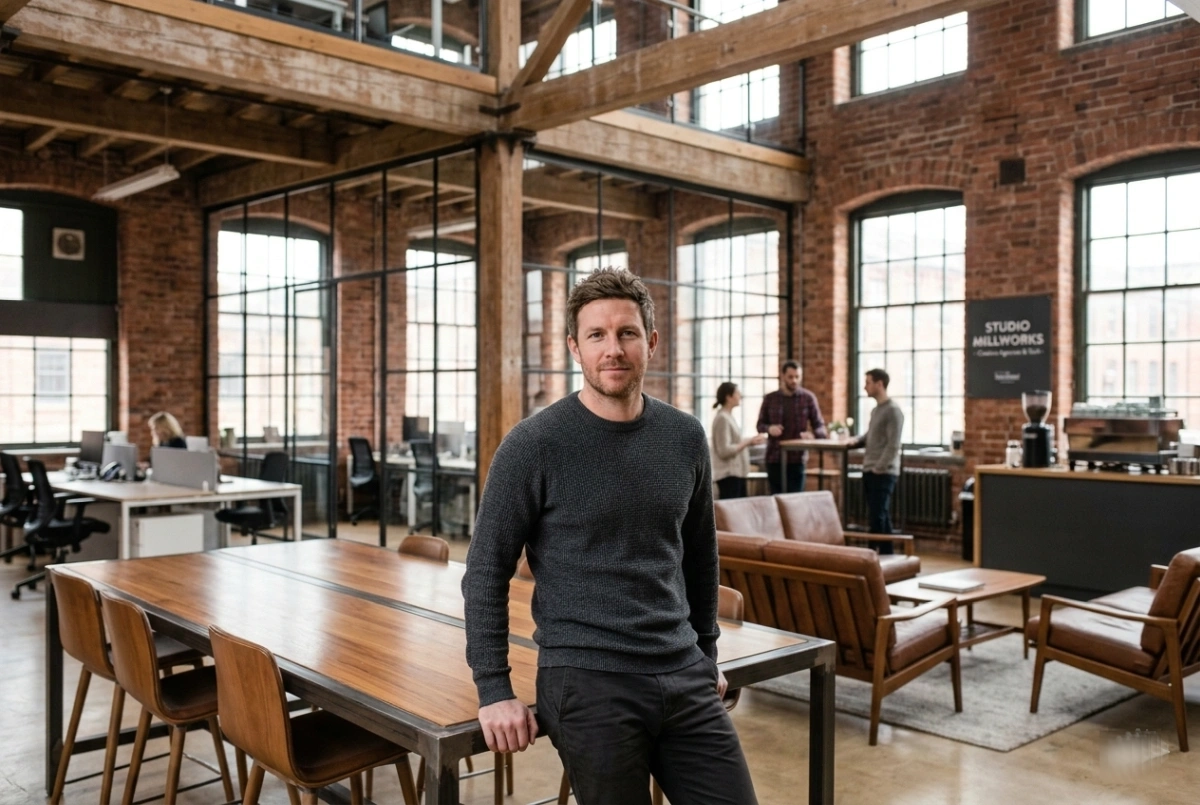
The following sites are top-tier examples of how historic infrastructure can be adapted to thrive in a modern economy while maintaining its unique industrial soul.
Queen’s Mill, Castleford: Community-led energy
Queen’s Mill is a standout example of sustainable energy regeneration. By restoring its massive 21ft waterwheel, the mill is moving toward producing its own electricity. This project not only makes the building more environmentally sustainable but also creates an income stream by selling excess power back to the grid. It acts as a living classroom, using traditional milling history to teach modern lessons about renewable energy.
White Peak Distillery, Derbyshire: Gastronomy as history
Located within the Derwent Valley Mills World Heritage Site, White Peak Distillery has transformed a historic wire works into the region’s first craft distillery. This is a perfect example of hyper-local sourcing and edible museums. The business uses the character of the industrial site to build its brand, proving that modern artisanal manufacturing can thrive inside the robust walls of a 19th-century facility.
Brodie Castle, Scotland: Digital-heritage integration
While not a mill, Brodie Castle is a pioneer in augmented reality and interactive routes. By using augmented reality apps, they bring 3D animations to life for visitors, allowing them to engage with heritage in a real-time, digital layer. This smart tourism approach allows the site to tell complex stories without cluttering the physical space with modern signage, maintaining the heritage significance of the architecture.
Conditioning House, Bradford: The hybrid workplace
The conversion of Conditioning House represents the pinnacle of adaptive reuse for the modern workforce. By blending New York-style living with high-spec commercial spaces, it provides the invisible connectivity and high-speed infrastructure required by digital nomads. The building retains its original character, exposed brick and ironwork, which serves as a competitive advantage in attracting businesses that want a personal, humanised brand voice.
Whitchurch Silk Mill, Hampshire: Operational excellence
As a Grade II* listed building, Whitchurch Silk Mill balances modern commercial needs with strict conservation. It remains a working mill, using its original water-powered machinery alongside modern retail and tourism functions. Their success lies in viewing compliance as a hurdle they have already cleared, allowing them to focus on a clean balance sheet and high-quality visitor experiences that fund the long-term upkeep of the historic fabric.
By studying these sites at Archway Heritage, we see that the most successful businesses are those that treat history not as a museum piece, but as a robust foundation for innovation.
No Responses