
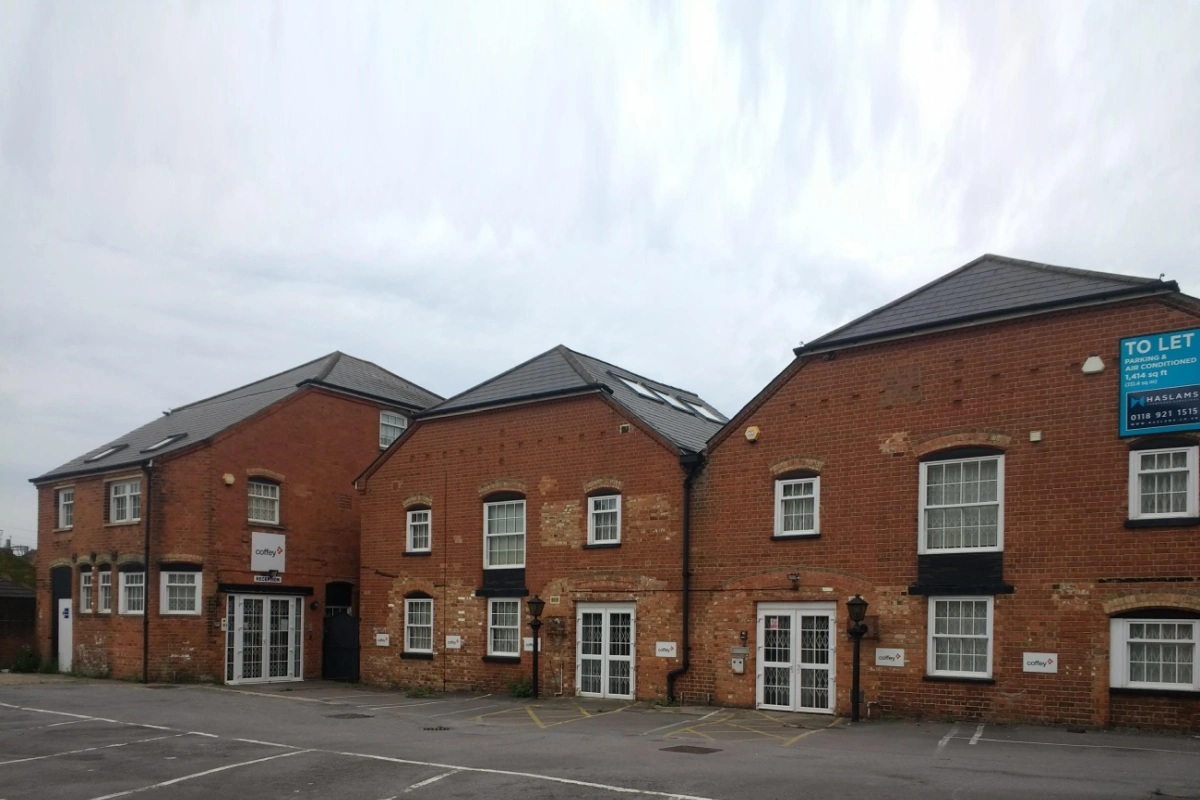
The move toward rural self-catering accommodation is a powerful way to breathe new life into redundant outbuildings. Converting a disused stable or cart shed into a self-contained Air bnb allows landowners to preserve historic fabric while generating a modern income stream. However, success in the rural sector requires an understanding of the regulatory landscape, where change of use and curtilage are the primary hurdles.
Understanding the curtilage challenge
One of the most significant legal obstacles for rural landowners is curtilage listing. Even if an outbuilding is not individually named in a heritage list, it is often protected by law if it sits within the curtilage of a listed principal building and was built before July 1948. This means the structure is treated as part of the listed building itself. Any conversion work, even internal changes, requires Listed Building Consent. Failing to obtain this before starting work is a criminal offence. At Archway Heritage, we focus on assessing the physical layout and the historic functional relationship of these buildings to confirm their status before a single brick is moved.
Planning for change of use
Converting an outbuilding into a self-contained, self-catering unit is a material change of use. Unlike a simple guest room, a self-contained unit with its own cooking and bathing facilities typically falls under a specific planning category. By summer 2026, the UK government is introducing a mandatory national register and a new C5 use class for short-term lets. This means that permitted development rights, which might allow minor extensions, rarely cover the creation of a new holiday home. Landowners must navigate full planning applications that address increased traffic, noise, and the visual impact on the rural landscape in addition to curtilage-issues.
Technical and safety compliance
Beyond the planning office, a successful conversion must meet strict Building Regulations and safety standards, which will be more flexibily applied if a building is curtilage-listed. To be legally let as an Air bnb, the outbuilding must adhere to modern fire safety laws, which include interconnected smoke alarms and fire-rated doors. In 2026, these regulations are more stringent, requiring regular electrical inspections and gas safety certificates for any fixed combustion appliances. We advocate for a proportionate response here. We use traditional, breathable materials like lime-based insulation to satisfy both modern thermal requirements and the structural health of the historic stone or timber.
The value of sustainable reuse
Despite these obstacles, the conversion of a rural outbuilding remains a sound investment. By avoiding the carbon footprint of a new build, you are making the greenest choice possible. A well-executed heritage conversion commands a premium rate because guests value the human-centric character and the story of the building. We help you unlock this value by managing the complexity of heritage compliance. This ensures your project is not only legally robust but also a high-quality contribution to the local community and the long-term stability of your estate.
No Responses