
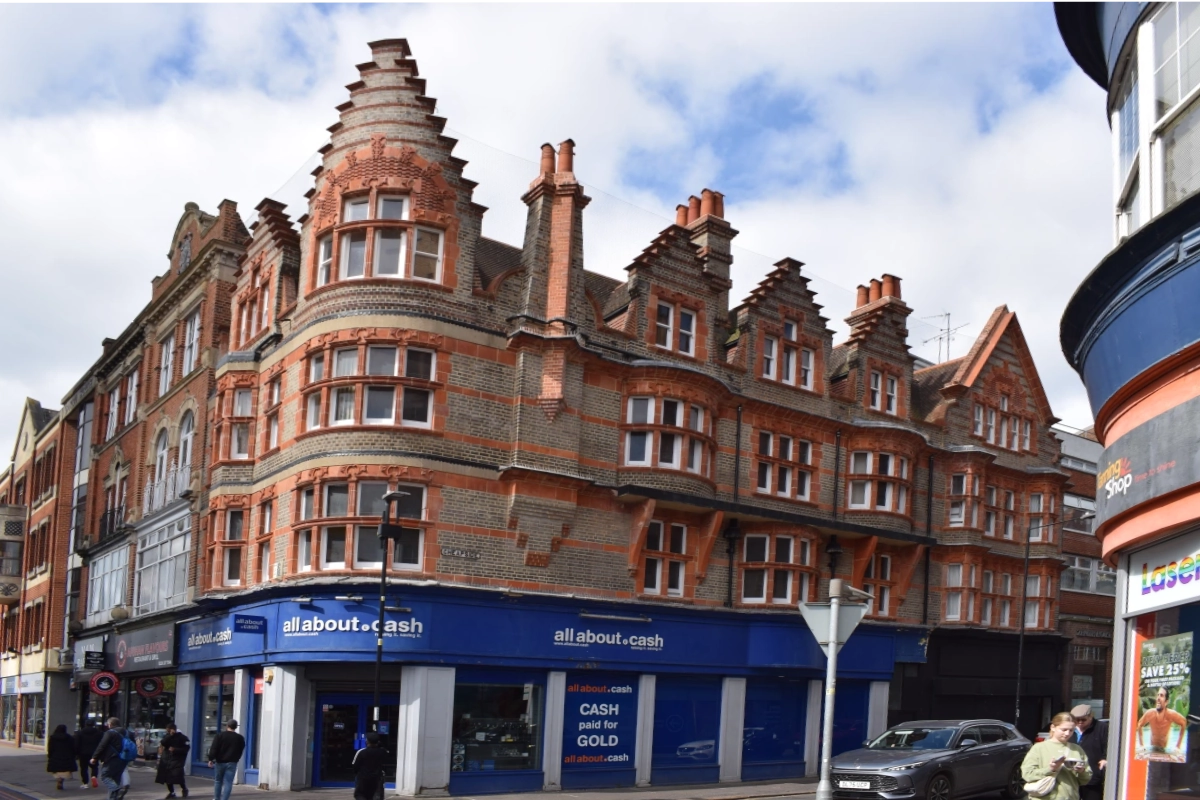
Heritage property redevelopment requires a careful balance between financial viability and the statutory requirements. When managing historic assets, particularly those with varying levels of legal protection, a proactive and evidence-based approach secures permissions and prevents long-term structural decline.
Understanding significance and sensitivity
Every heritage project begins with a clear understanding of the site’s significance. In a complex of buildings, legal protections often vary even if the structures have functioned as a single unit in recent years. For instance, a Grade II listed building designed by a prominent architect holds high significance and high sensitivity throughout its fireplaces, structure, and exterior features. In contrast, adjacent non-designated heritage assets may hold lower individual significance but remain critical as visual transitions to support the character of the wider area.
The baseline condition and risk of non-intervention
In one of my recent cases, long-term vacancy led to advanced dilapidation, water ingress, and unauthorised occupation, all of which eroded historic fabric. A building may reach a threshold of decay where non-intervention poses a greater risk than the proposed alterations themselves. To adhere to legal requirements and national and local policy, works should aim for an overall beneficial effect. This is typically achieved by arresting structural decline and returning buildings to an optimum viable use, as far as possible.
Evaluating conservation approaches
Owners must choose an approach that aligns with their budget and the likelihood of gaining planning permission.
- Utilising traditional materials and skills to match original fabric is the most appropriate route for listed buildings. This approach offers a high chance of gaining permission without significant delays.
- Using modern equivalents for traditional materials often fails to meet aesthetic and historic interest requirements. This carries a high risk of objection from conservation officers and potential refusal.
- Restricting work strictly to specific council requests using modern materials is often viewed as providing less than substantial harm without adequate public benefit. This carries a very high risk of non-validation or refusal.
Strategic recommendations for clients
The importance of specialist assessment
Engaging a conservation accredited quantity surveyor is a worthwhile cost if by establishing a professional conservation deficit, owners can provide financial proof of repair costs. This data supports planning negotiation, as it moves the argument for lower-cost approaches from anecdotal to evidence-based.
Implementing a staged approach
Immediate priority should be given to urgent weather-proofing, such as roof and gutter repairs, to arrest further decay. Frame these as emergency measures to save the fabric can be beneficial when dealing with the council.
Avoiding the false economy of modern materials
While modern, non-breathable materials may appear cost-effective initially, they often lead to moisture entrapment in historic masonry. This can cause rapid decay of the remaining historic fabric, leading to significantly higher repair costs within three to five years and potential legal liability in listed buildings.
No Responses