
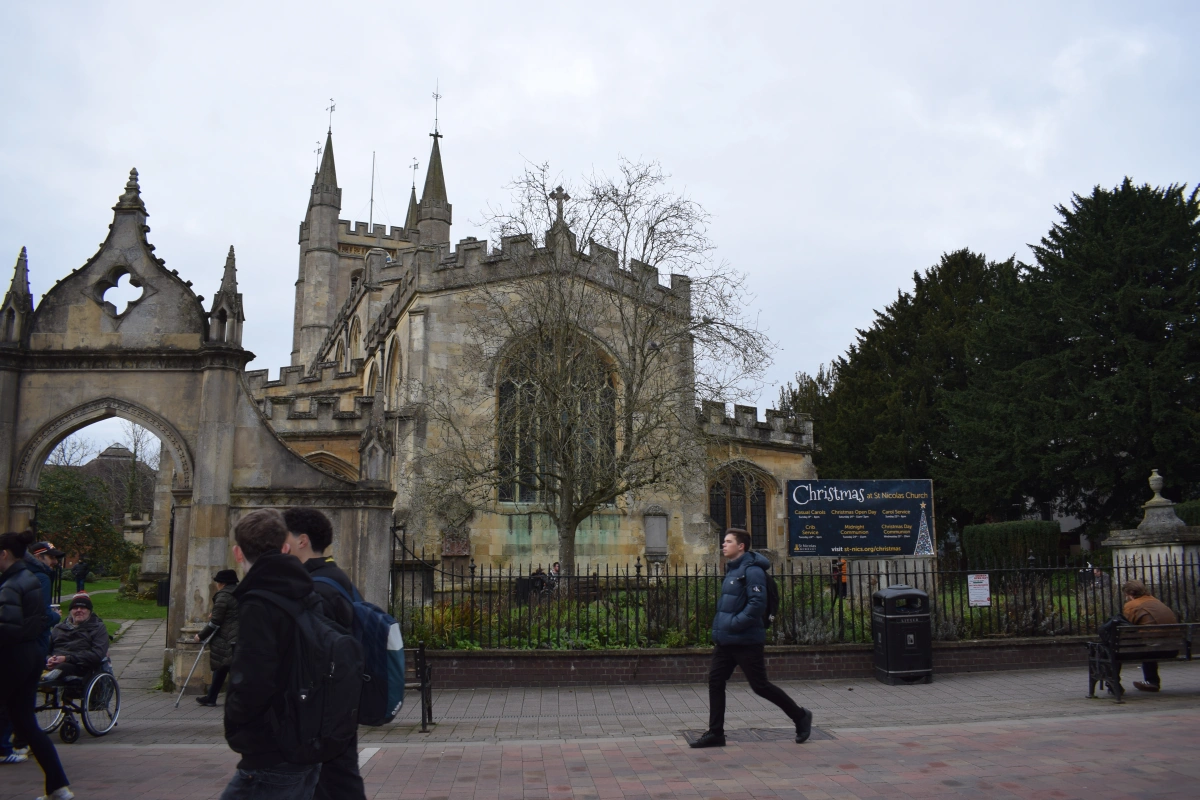
Over the past decade, Archway Heritage has dedicated its work to unlocking potential, preserving architectural identity, and guiding communities through complex development challenges. To mark ten years of Archway Heritage, I’m highlighting 10 pivotal aspects of our work. Our blog ‘Insights’ comprises themes. Each theme demonstrates how thoughtful conservation transforms the built environment, developments and communities.
Tips to avoid pitfalls
Interspersing actionable advice throughout our insights, we focus on helping property owners avoid common mistakes. Identifying heritage constraints early, defining clear curtilage boundaries, and submitting proportionate technical evidence eliminates ambiguity to aid planning decisions. This proactive approach de-risks investments by preventing costly planning refusals, avoids accidental statutory breaches, and unlocks the full potential of historic buildings through sensible adaptation.
Recognising the importance of historic town centres
Documenting unique architectural features that contribute to place-identity ensures that ongoing town centre development respects established historic character while accommodating modern growth. Additionally, we have examined heritage value to establish whether places should become conservation areas. For example, as a result of our research Mary produced a three-part series on Reading’s historic core, ‘Placemaking and a Sense of Reading’s Historic Character Area’, ‘Design in placemaking – the historic character of Reading’s Saxon core’, and ‘Conservation challenges in Reading’s historic core’. This focus highlights how Historic Area Assessments (HAAs) inform spatial design, and connect medieval roots to modern urban spaces, to reveal local identity.
Conserving community assets
The preservation of social value in community assets, including local historic public houses, highlights the importance of protecting physical spaces that hold deep social value within communities. This focus creates a lasting legacy by safeguarding the shared spaces that foster local connection, ensuring community identity and public interest remain central to planning decisions.
Protecting innovative architecture
Recognising 20th century masterpieces, such as Edward Cullinan’s RMC HQ design, shows how recent structural innovation deserves conservation. Documenting innovative architectural landmarks shifts public perception, ensuring modern structural achievements are protected during redevelopment.
Conserving historic buildings
Improperly altering traditional buildings wastes significant embodied carbon and causes avoidable timber rot and masonry deterioration. Blending historic craftsmanship with precise modern diagnostic tools and breathable insulation delivers optimal performance. This ensures energy efficiency and thermal comfort are upgraded without trapping moisture or harming historic fabric. This approach protects the physical integrity of historic assets, ensures compliance with sustainability targets, and keeps properties warm, dry, and structurally sound for generations to come.
Adapting historic structures
Adapting historic buildings helps tackle the climate crisis by tackling threats to existing historic fabric, reducing material waste, and avoiding the embodied carbon cost of demolition. Recommending balanced, proportionate conservation approaches ensures sensitive proposed works align with modern commercial requirements. This creates a lasting impact by turning redundant, complex historic assets into vibrant, economically viable spaces. We bring pragmatic clarity to complex planning debates, offering balanced perspectives that align statutory conservation requirements with developer viability and homeowner needs.
Retrofitting
Reusing existing building stock and retrofitting solid wall properties directly advances Net Zero targets by lowering carbon emissions. Achieving this requires maintaining moisture balance and structural health. This work delivers major environmental impact by tackling the climate emergency through building reuse, proving that older properties can contribute to energy efficiency efforts.
Renovating historic homes
The sensitive adaptation of residential listed structures involves tailored alterations. It is important to allow traditional homes to be adapted to modern living standards without losing unique historical quirks. This delivers high impact by making historic living practical, protecting historic fabric while giving homeowners viable ways to update their properties.
Presenting heritage information for planning permission
Producing informative heritage statements and impact assessments provides local planning authorities with the technical and historical evidence needed to secure permissions. It avoids unnecessary delays. For example, we’ve also examined streamlining consent through Local Listed Building Consent Orders (LLBCOs).
Translating MSc research into applied conservation practice
Our research examines outcomes, such as how consultation feedback during planning applications informs sustainable development. The research proves how understanding site history, material performance, and sustainability principles in practice enables balanced infill, lowers carbon footprints, and interconnects theory and live planning decisions. We have bridged academic heritage research with live planning applications to enhance professional understanding and deliver measurable sustainable development outcomes.
No Responses