
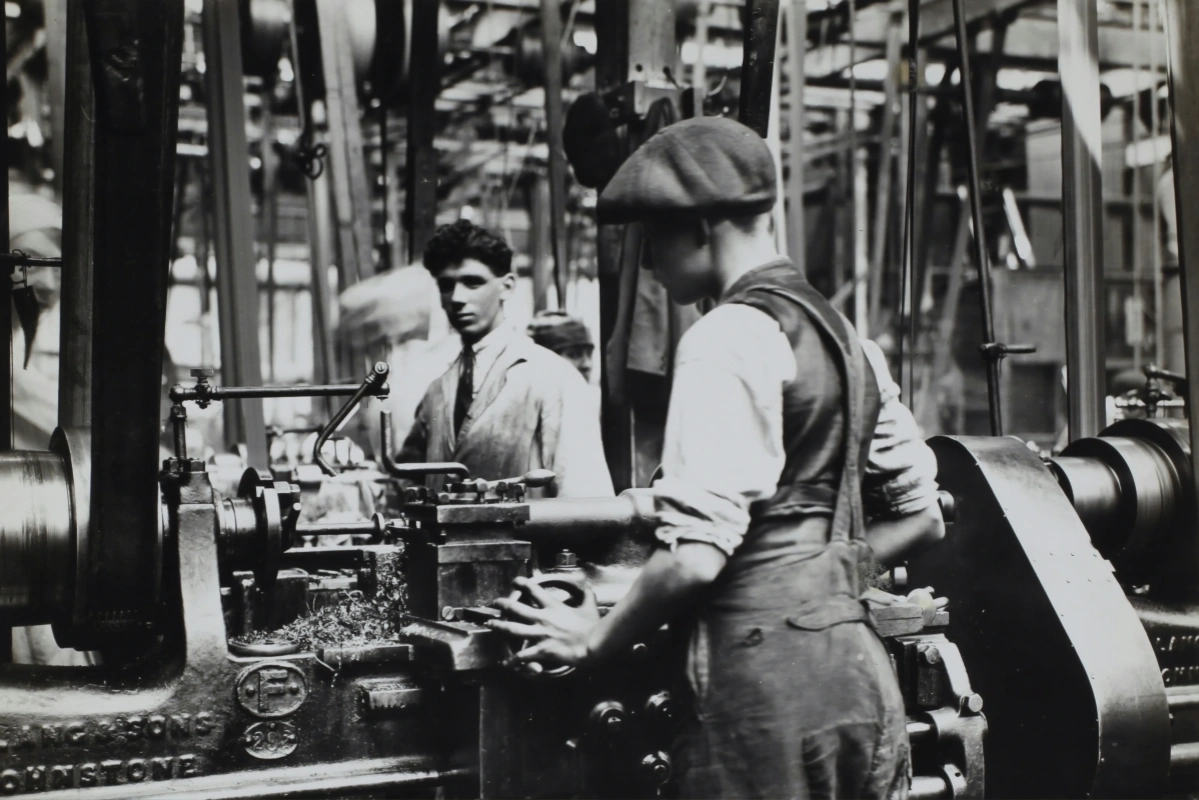
Historic mills were once the engines of the Industrial Revolution. Today, they are driving a business model through adaptive reuse. At Archway Heritage, we believe the greenest building is the one already built. By preserving the industrial soul of these structures while evolving their function, landowners can meet modern economic needs without losing historic character.
A partnership built on character
Historic sites attract modern businesses by offering a sense of stability and unique identity that modern developments often lack. Successful mill owners provide the essential infrastructure that allows specialised trades to thrive. This creates a partnership of disciplined agility. In this model, high-level expertise integrates seamlessly with a human-centric culture. This attracts value-aligned tenants who prioritise localism and ethical sourcing over rapid, unsustainable expansion. These sites thrive because they offer a combination of robust architecture and a distinctive brand identity.
Artisanal manufacturing and specialist trades
High-end artisanal manufacturing is perhaps the most natural fit for a historic mill. These businesses thrive on the industrial soul of the building, which provides a perfect backdrop for craftsmanship. Historically, mills like Stott Park Bobbin Mill in Cumbria provided the infrastructure for specialised tradesmen to excel. Today, modern makers of textiles, furniture, and precision engineering find that the solid construction and large floor plates of a mill accommodate heavy machinery and delicate handiwork equally well. The heritage setting acts as a physical guarantee of quality and tradition for their customers.
Creative agencies and professional services
Many mills have successfully transitioned into high-quality business parks. Sites like Turkey Mill in Kent host professional services such as architects, designers, and tech firms. These businesses thrive here because the unique character of the building helps them stand out in a crowded market. The aesthetic of exposed brickwork and original timber beams serves as a powerful recruitment tool, attracting talent who prefer an inspiring work environment over a sterile, modern office. These tenants value stability and a personal brand voice, making them ideal long-term partners for heritage landowners.
Community tourism and ethical retail
Community-focused tourism and ethical retail outlets are increasingly popular in restored mills. These businesses capitalise on the public’s growing interest in heritage education and localism. Because consumers are increasingly choosing brands based on ethical sourcing, a mill that can demonstrate a clean balance sheet regarding its carbon footprint becomes a destination in its own right. These sites often blend commercial viability with education, offering cafes, galleries, and workshops that keep the building’s story alive while generating steady footfall.
The advantage of sustainable growth
The common thread among businesses that thrive in mills is a commitment to disciplined agility. They understand that being based in a historic asset is a competitive advantage that aligns with modern sustainability goals. Because the greenest building is the one already standing, these businesses automatically reduce their environmental impact by avoiding the carbon costs of new construction. At Archway Heritage, we help these diverse businesses navigate the complexities of their unique spaces, ensuring that the marriage between modern commerce and historic conservation remains profitable and permanent.
Maintenance through proportionate response
Maintaining a historic mill requires a proportionate response. This means focusing on necessary repairs while protecting the building’s historical patina. Before any work begins, we must understand the heritage significance of the site. This involves identifying original features versus later additions. Technical best practices are vital here. Using traditional, vapour-permeable materials like lime mortar and render is essential to prevent damp and stone decay in solid-wall buildings. Furthermore, any modern intervention should be reversible. This ensures that future generations can adapt the building without causing permanent damage.
Efficiency as the new profit lever
To support a sustainable business model, heritage sites must focus on operational excellence. Planning and legal compliance should not be viewed as a hurdle but as a competitive advantage. Efficiency is now the primary profit lever. Sites that automate workflows while maintaining a personal brand are best positioned to succeed. This includes auditing supply chains for carbon footprints to meet tightening regulations. Many consumers now choose brands based on their commitment to conservation and local impact.
Our expertise supporting your business
Our approach at Archway Heritage prioritises insight over expensive corporate overheads. We believe that clients should pay for senior-level expertise rather than high rent for fancy offices. By focusing on specialisation, we navigate complex planning hurdles and avoid unnecessary, costly surveys. This low-overhead model passes savings directly to the project. Reusing an existing mill is the ultimate sustainable choice. It significantly reduces the carbon footprint compared to new construction. We provide bespoke solutions that balance long-term conservation with modern commercial needs to help you unlock the true value of your historic assets.
Our thanks to Victoria Museum and Unsplash for the image.
No Responses