
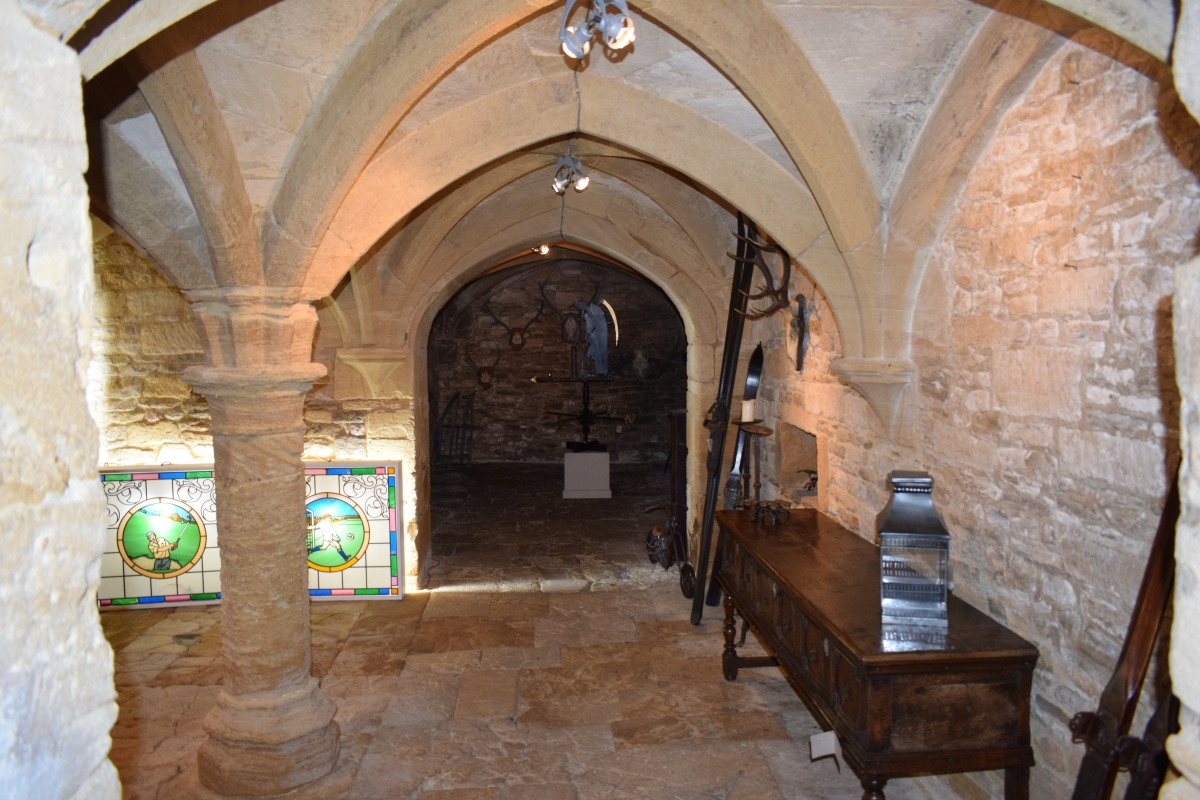
He is purchasing a historic property for its commercial use. Legal counsel has informed him that navigating planning regulations can be complex for a Grade II listed chapel converted into a holiday let 30 years ago without formal documentation. He has rung Mary at Archway Heritage for advice.
Buyers often face such double hurdles. Firstly, there is a need to secure legal planning status. Secondly, there is a need to address unauthorised physical heritage alterations.
Here is what you need to know about navigating the legal issues, Certificates of Lawfulness, and listed building regulations.
UK law treats property use and physical alterations as two separate legal matters.
Immunity and liability
- Under Section 191 of the Town and Country Planning Act 1990, an unauthorised change of use becomes immune from planning enforcement after 10 years of continuous operation. Since this chapel has functioned as a holiday let for 30 years, it qualifies for a Certificate of Lawful Existing Use or Development (CLEUD). A Council cannot reject a CLEUD based on current planning policy, parking concerns, or noise, it is strictly a factual assessment of past continuous use.
- However, unlike general planning law, Listed Building Consent (LBC) has no statute of limitations. Carrying out unauthorised internal or external alterations to a Grade II listed property, such as sub-dividing space or removing historic fixtures like an organ, is a criminal offence under the Planning (Listed Buildings and Conservation Areas) Act 1990. Enforcement action can be taken regardless of when the works took place.
The pitfalls of indemnity insurance
While Planning Indemnity Insurance is frequently used in property sales as a quick fix, it carries strict limitations for listed buildings. Insurance only provides financial protection against enforcement costs; it does not make unauthorised works legal. Most mortgage lenders reject indemnity policies for unapproved physical alterations to listed structures because of the underlying criminal liability. If anyone contacts the planning authority or a conservation officer about the issues voids the policy.
Recommendations
- Before contacting the council or invalidating potential insurance options, commission a heritage specialist, like us, to assess the unauthorised physical works.
- If physical alterations cannot be covered by insurance or accepted by lenders, submit detailed survey drawings to regularise the works with the local authority.
- Compile business rates, utility bills, booking records, and affidavits to prove 30 years of continuous holiday let use for the Certificate of Lawfulness application.
No Responses